Stable commitment to every leap, customized every flat
Commercial Floor


Suning County, Cangzhou City, Hebei Province, China
16630207375
dxfloor144@gmail.com
Stable commitment to every leap, customized every flat
Commercial Floor
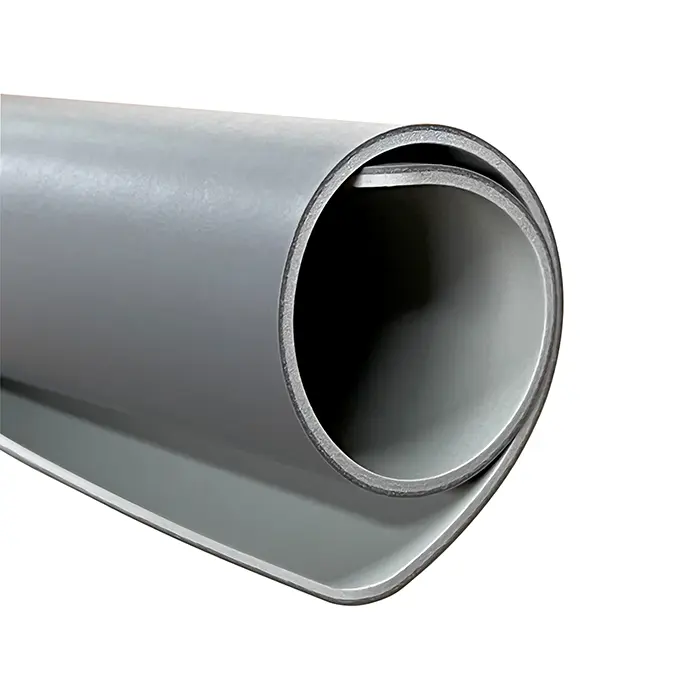
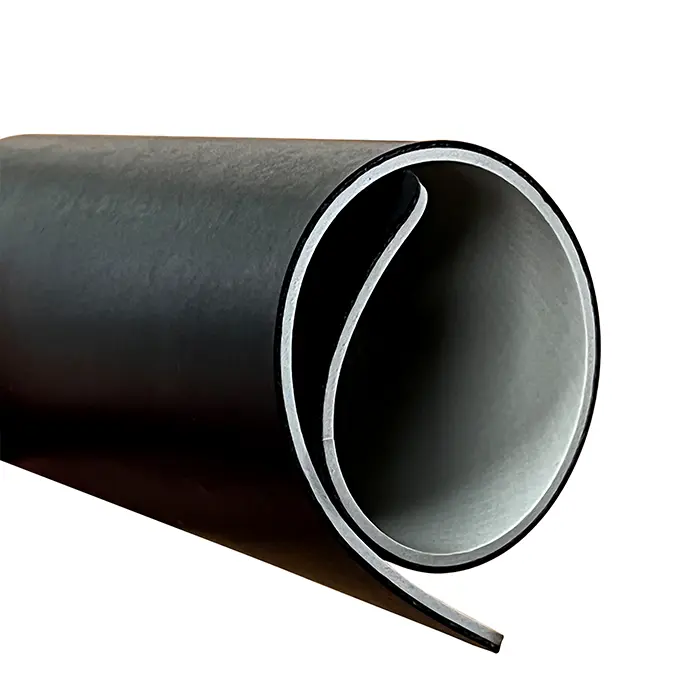
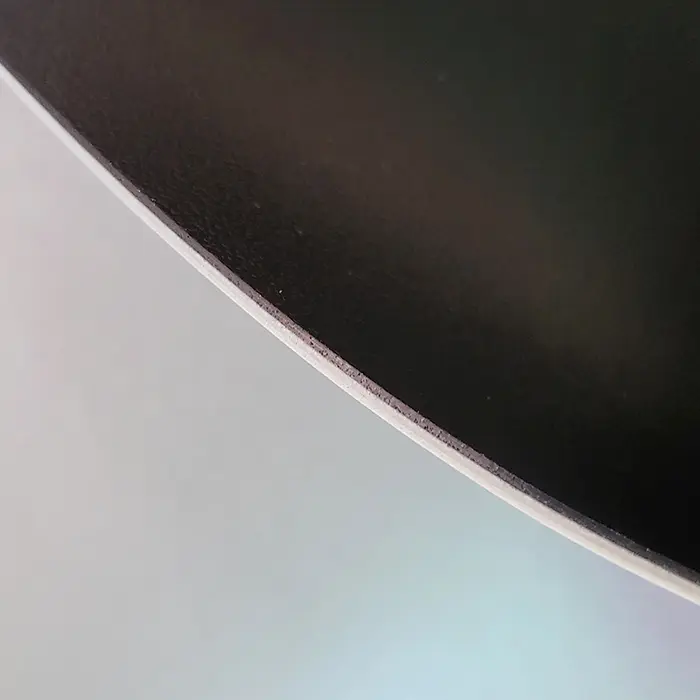
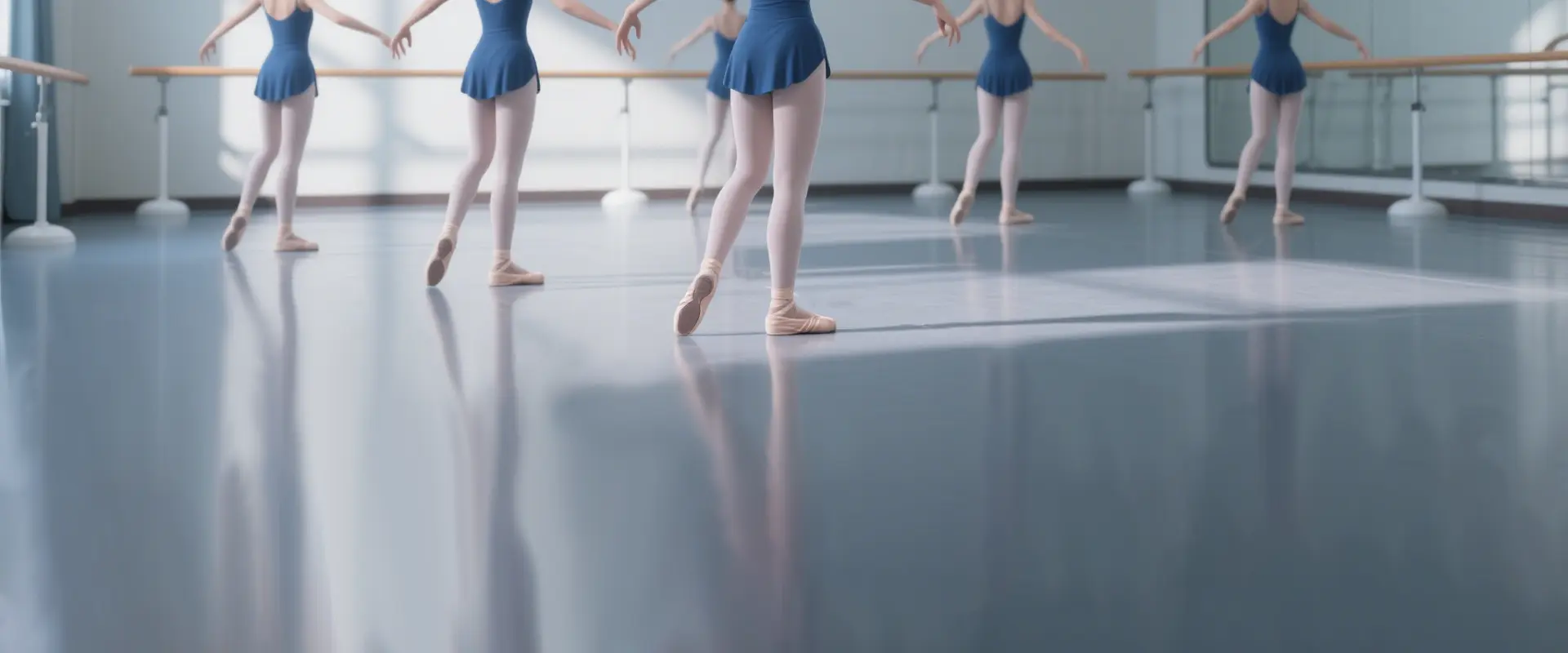
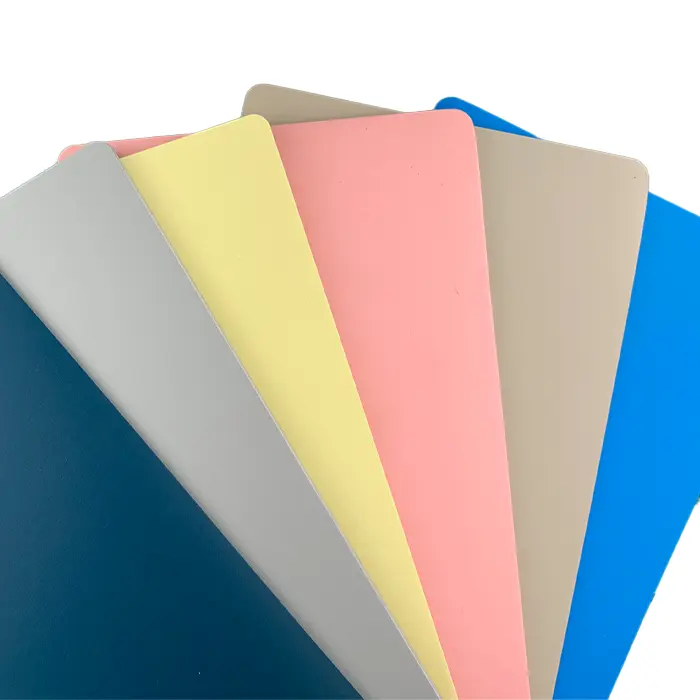
Dense vinyl dance flooring, 2mm and 3mm thick, available in any color, suitable for all dance styles, combining elasticity and tactile feedback.
Pattern: solid color
Model: DXDS
Specification: Roll Width:1.8m Length:10-20m
Thickness: 2.0mm / 3.0mm
Application scenario: dance studio
Share:
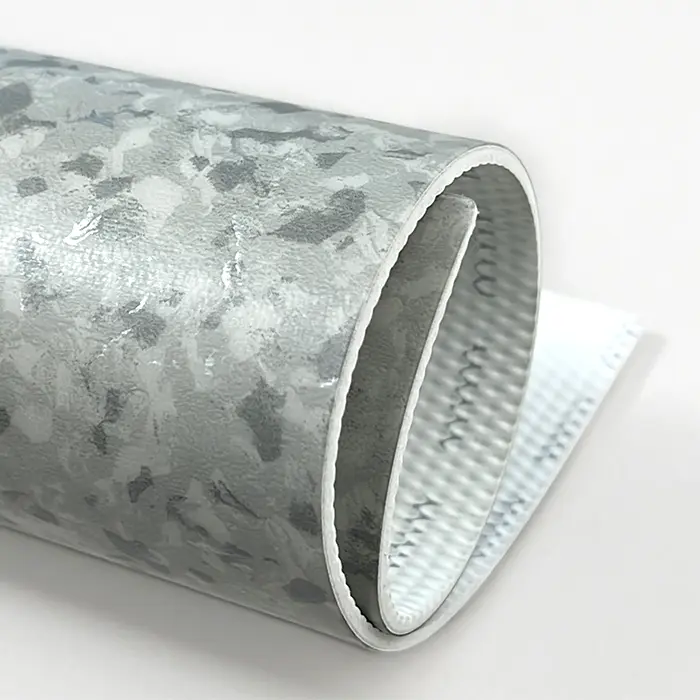
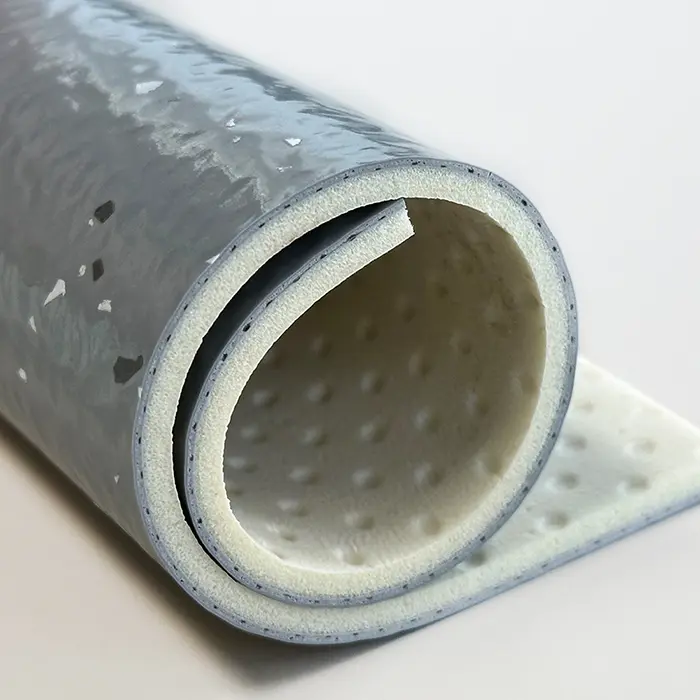
Solid-structure PVC vinyl dance flooring features uniform elasticity, strong support, and high durability. Compared to vinyl flooring for dance studio with a foamed layer, it is thinner and harder, with a thickness of only 2-3mm, hence the solid structure, somewhat similar to pickleball court flooring.
This ShengBang dance flooring is suitable for commercial settings such as professional dance training institutions, gym dance studios, school dance studios, and commercial performance venues.
This commercial-grade sports flooring differs from "foamed PVC flooring." Its core feature is the absence of a foamed cushioning layer; elasticity relies entirely on the high-density PVC substrate itself. Through formula optimization and process upgrades, it achieves the support and rebound required for dance movements.
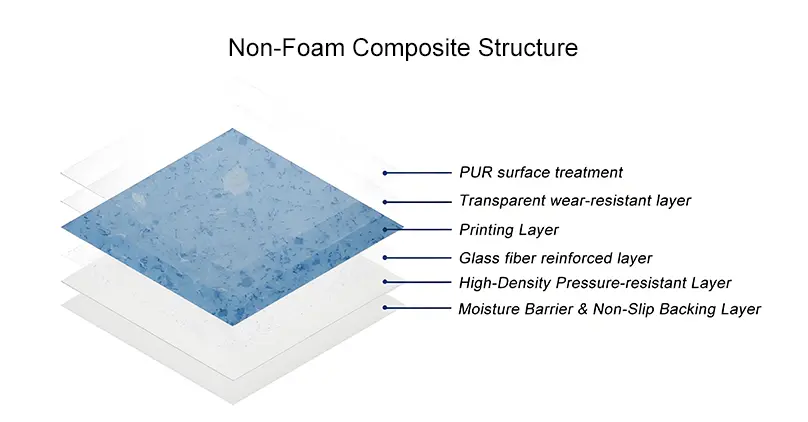
It employs a three-layer composite structure: a surface functional layer + a solid PVC core layer + a backing moisture-proof layer. It is bubble-free and void-free, with a density of 1.3-1.5g/cm³, far exceeding that of ordinary household PVC flooring (density 1.1-1.2g/cm³).
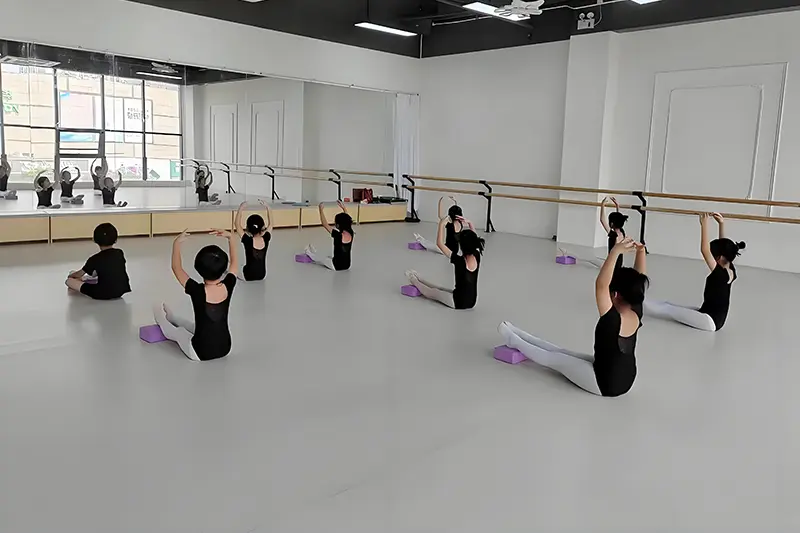
2mm and 3mm are the mainstream thicknesses for commercial use. 2mm emphasizes "lightweight, flexible, and low-cost," suitable for standard installations; 3mm emphasizes "durability, stability, and long-term use," making it the first choice for professional high-end commercial dance studios.
Black and gray solid colors are the main installation colors. Black is highly stain-resistant, suitable for dance studios with high usage frequency, while gray has a soft visual appeal and does not reflect light, avoiding visual interference for dancers during training. It also complements various dance studio décor styles (industrial, minimalist, professional).
Suitable for high-frequency use of over 8 hours per day and multiple dancers alternating training sessions. Easy to clean and maintain, low replacement costs.
The dense structure has no elasticity or lag, allowing the floor to respond instantly to dancers' tiptoeing, jumping, and spinning movements. It is especially suitable for ballet pointe techniques, modern dance floor movements, and high-frequency jumps in jazz dance, helping dancers develop muscle memory.
It meets the compatibility requirements of various movements, an advantage over foam-layered flooring: "firm support" (such as ballet pointe work) and "moderate cushioning" (such as street dance floor movements).
Apply a thin layer of PVC-specific water-based adhesive using a 1mm x 1mm notched trowel, covering ≥90% of the area. Allow to dry for 10-15 minutes (until it is no longer tacky to the touch).
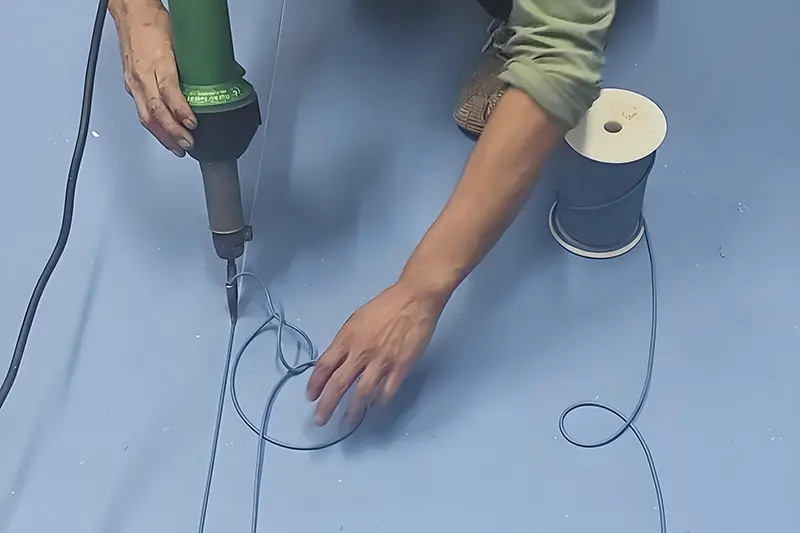
Starting from one corner of the site, lay the adhesive along the long side, using a 50kg rubber roller to press and remove air bubbles, ensuring no hollow areas.
For large areas, use heat-welded joints for seamless connections and improved durability; for small areas, direct splicing is possible (gaps ≤0.3mm).
Install aluminum alloy edge trim to prevent edges from curling up.
Why Choose Us?
Shengbang Xingtai New Material Technology Co., Ltd. is invested by Hebei Dongxing Plastic Co., Ltd. with a total investment of 1.45 billion and a total construction area of 191,000 square meters...
Get to know us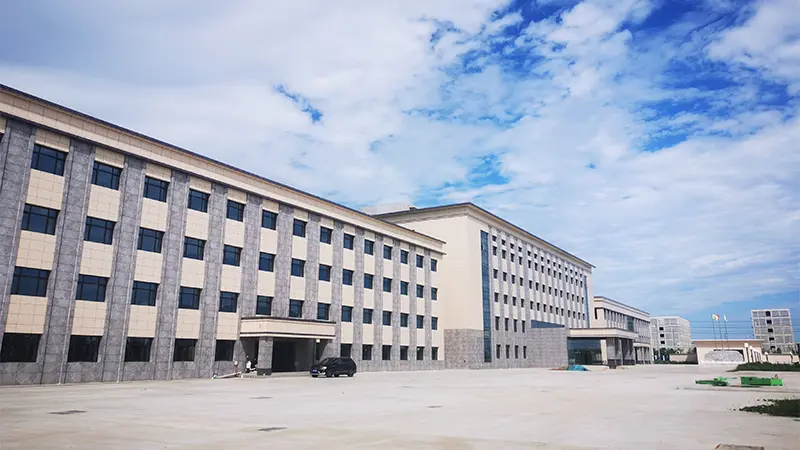
Message us for free samples and quotes!
Comments