Stable commitment to every leap, customized every flat
Blog


Suning County, Cangzhou City, Hebei Province, China
16630207375
dxfloor144@gmail.com
Stable commitment to every leap, customized every flat
Blog
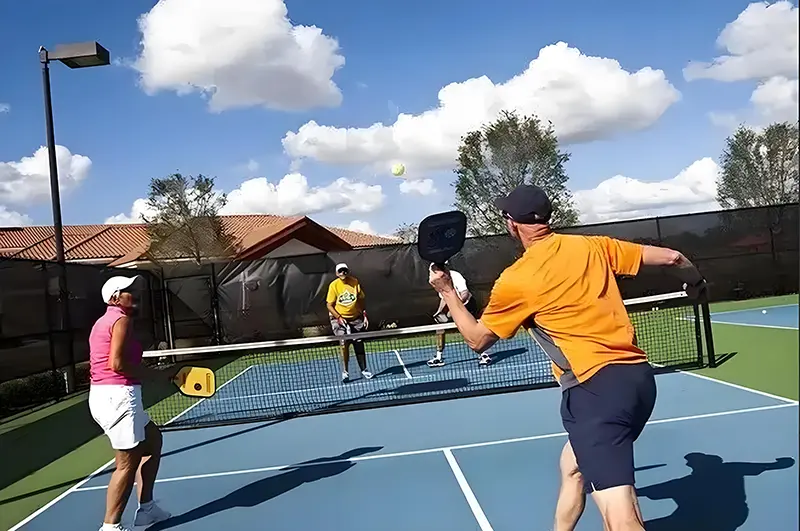
Shengbang's modular interlocking floor tiles—crafted from high-performance PP (polypropylene) and TPE (thermoplastic elastomer)—are the go-to choice for outdoor sports courts, playgrounds, patios, and roller skating.
This guide provides step-by-step installation instructions, tailored for diverse outdoor surfaces and climates. It also highlights material-specific tips for PP and TPE tiles, ensuring a seamless, long-lasting finish for fields, courts, and recreational spaces worldwide.
A smooth, stable base and proper material acclimation are critical for interlocking tiles to perform long-term.
Shengbang’s modular interlocking tiles adapt to most outdoor subfloors, but the base must meet these standards to avoid shifting or damage:
Concrete/Asphalt: Ensure the surface is clean, dry, and level (unevenness ≤3mm/2m). Patch cracks ≥2mm with epoxy filler; sweep or power-wash to remove dust, oil, and debris. Ideal for sports courts (basketball, badminton) and commercial plazas.
Grass/Soil: Lay a geotextile fabric first to prevent weed growth and moisture buildup, then add a 5-8cm layer of compacted gravel or sand to create a firm base. Suitable for temporary event spaces or campgrounds.
Wooden Deck: Check for loose boards and reinforce weak areas. Ensure gaps between boards are ≤5mm to prevent tile distortion. Perfect for rooftop patios or outdoor lounge areas.
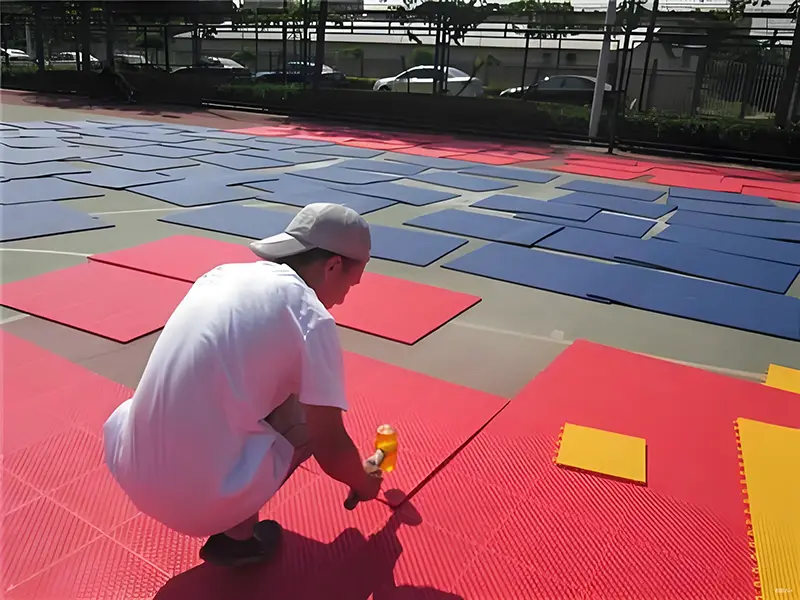
Unpack Shengbang’s PP/TPE interlocking tiles and spread them flat at the installation site for 24-48 hours. This adapts the material to local temperature (-30℃ to 60℃ for PP; -40℃ to 70℃ for TPE) and avoids thermal expansion/contraction issues post-installation—critical for clients in extreme climates (e.g., Nordic winters or Middle Eastern summers).
Inspect tiles for defects (e.g., broken locks, uneven edges) and sort patterns/colors if using custom designs (Shengbang offers checkerboard, striped, and sport-court marked tiles).
Tape measure, chalk line, and straightedge (for layout).
Utility knife or jigsaw (for cutting tiles).
Rubber mallet (to lock tiles tightly without damaging edges).
Optional: Spacers (for leaving expansion gaps) and a broom/vacuum (for final cleaning).
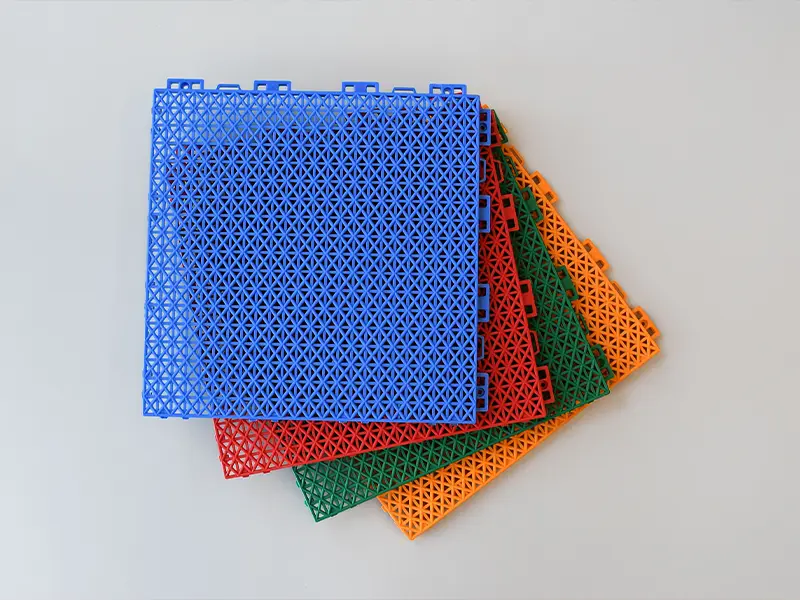
The interlocking design allows for DIY installation, reducing labor costs for foreign trade clients.
Interlock tiles installation video: https://youtube.com/shorts/aAmdIMSJNjg?si=6H_uBOq_VSCHUC0I
Use a chalk line to mark the center of the area and snap perpendicular lines—this ensures tiles align evenly, especially for large spaces (e.g., a 500㎡ outdoor basketball court).
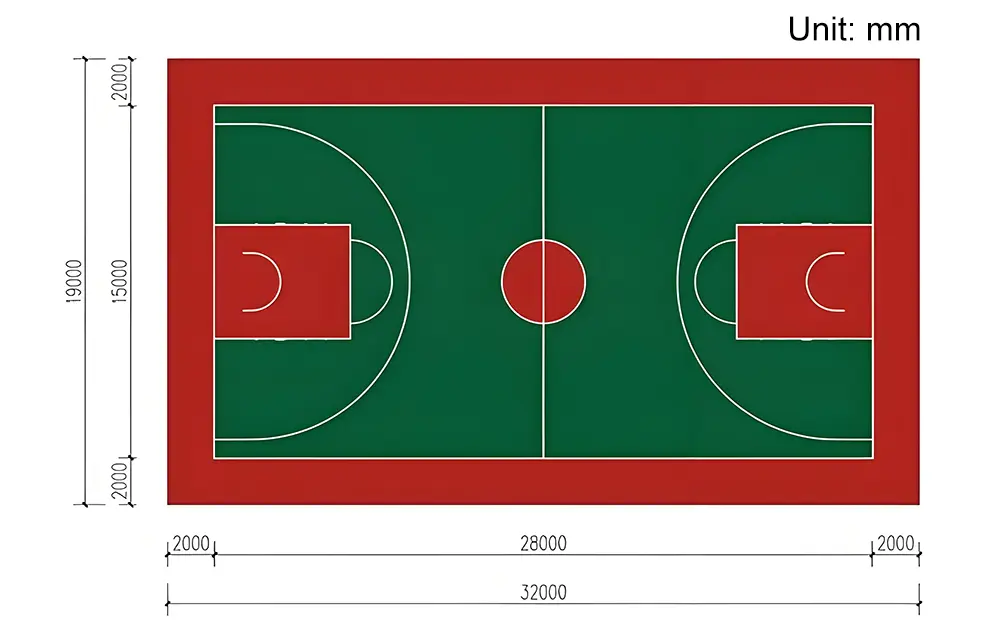
For sports courts, pre-mark boundaries (e.g., three-point lines for basketball) using chalk to align Shengbang’s pre-printed sport tiles accurately.
Begin installation at the intersection of the chalk lines. Take the first tile and align the male interlocks (protrusions) of one tile with the female interlocks (grooves) of the next.
Press tiles firmly by hand; for tight fits, tap the edges lightly with a rubber mallet. Shengbang’s reinforced interlock system ensures a snug fit that resists separation even under heavy foot traffic or sports equipment.
Lay tiles row by row, checking alignment regularly. Avoid sliding tiles sideways, as this can damage the interlocking mechanism.
When reaching walls, curbs, or obstacles, measure the gap between the last full tile and the obstacle.
Mark the measurement on the tile and cut it with a utility knife (for thin tiles) or jigsaw (for thicker PP tiles). For clean cuts, place the tile on a flat surface and score it first before snapping.
Shengbang’s TPE tiles are more flexible, so they can be trimmed with scissors for small adjustments—perfect for curved edges (e.g., playground roundabouts).
Leave a 5-10mm gap between the tiles and fixed structures (walls, poles, curbs). This accommodates thermal expansion, a must for outdoor use where temperatures fluctuate drastically.
For areas larger than 50㎡, add expansion joints every 8-10 meters using Shengbang’s dedicated expansion strips to prevent tile buckling.
For high-wind areas (e.g., coastal regions) or high-traffic sports courts, install Shengbang’s aluminum edge trims around the perimeter. Drill the trims into the subfloor to anchor the tiles and prevent shifting.
For temporary setups (e.g., event stages), no perimeter securing is needed—the interlocking force alone keeps tiles in place.
Shengbang’s PP and TPE modular tiles have unique properties, so adjust installation methods to maximize performance:
Key Trait: Rigid, high-load-bearing, and resistant to UV fading—ideal for outdoor sports courts (tennis, futsal) and commercial walkways.
Installation Tip: Avoid installing in temperatures below 5℃, as PP becomes brittle and interlocks may crack. Warm tiles slightly in cold weather before fitting.
Best For: Clients ordering for school sports fields or public plazas in moderate climates.
Key Trait: Flexible, shock-absorbent, and non-slip—perfect for playgrounds, fitness trails, and poolside areas.
Installation Tip: TPE’s flexibility allows it to conform to slightly uneven surfaces (e.g., slightly sloped patios). Use a rubber mallet to press tiles into place without forcing them.
Best For: Clients purchasing for children’s playgrounds or outdoor gyms in regions with extreme temperature swings.
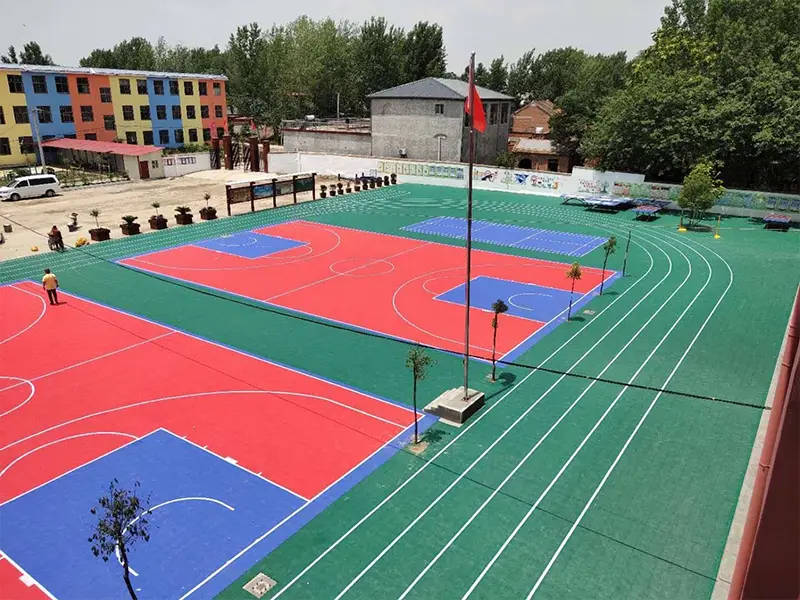
Walk across the entire floor to test for loose tiles. If any tile shifts, tap it with a rubber mallet to re-lock.
Verify expansion gaps are consistent and no tiles are overlapping or raised.
Daily: Sweep away leaves, dust, and debris with a soft-bristle broom.
Weekly: Rinse with a hose; for stubborn stains (e.g., oil, juice), use a mild detergent and scrub with a brush—avoid harsh chemicals that damage PP/TPE.
Seasonal: For clients in snowy regions, remove snow with a plastic shovel (metal shovels scratch tiles). For clients in sunny areas, no additional UV protection is needed—Shengbang’s tiles are UV-stabilized to resist fading.
Loose Tiles: Re-lock using a rubber mallet; if interlocks are damaged, replace individual tiles (Shengbang provides spare tiles for bulk orders).
Water Pooling: Check if the subfloor has proper drainage; add gravel under the base if needed.
Fading: Rare with Shengbang’s tiles, but if it occurs, contact our after-sales team for replacement.

Leave Your Message
Message us for free samples and quotes!